Knowing How to Write Prompts to Generate Truly Unique Business Images
Discover why knowing how to write prompts to generate unique assets is vital for business branding, helping you avoid obvious and repetitive AI-looking images.
By DigiAIGo8 August 2026 2 min read
Many business owners are turning to modern digital tools to create visuals for their marketing, websites, and social media. However, without knowing how to write prompts to generate high-quality, distinctive assets, the results can often look highly repetitive and instantly recognisable as generic outputs. Audiences are becoming increasingly sensitive to visual tells, meaning that basic, unguided prompting can inadvertently harm your brand's professional credibility.
The Problem of the Default Look
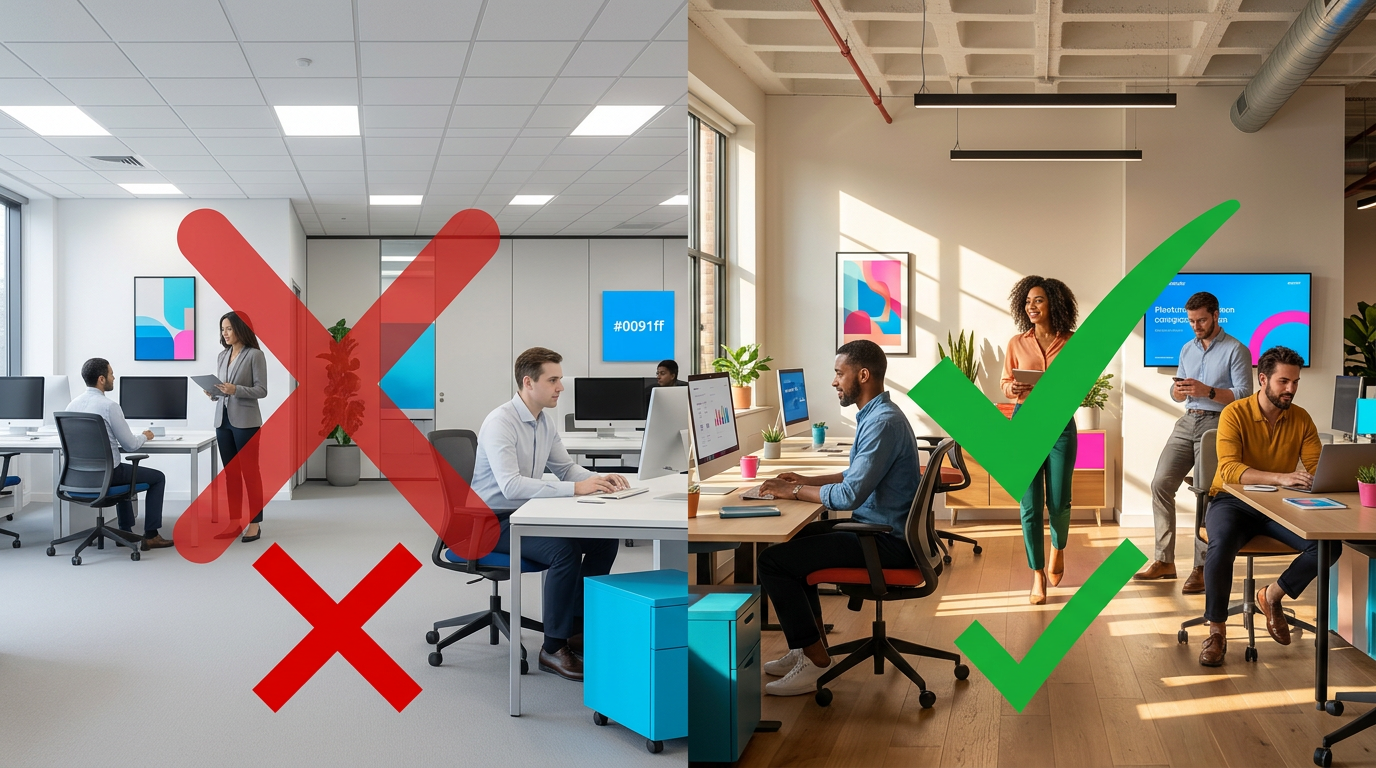
When you enter a basic, single-sentence prompt into an image generator, the system relies on its default settings and most common training data. For example, entering a phrase like 'business meeting in a modern office' often yields an identical style: overly glossy surfaces, unnaturally perfect lighting, and characters that look plastic and artificial. Because thousands of others use these exact terms, your business graphics end up looking identical to those on dozens of other websites.
Why Audiences Spot Generic Graphics Instantly
Everyday internet users have developed a sharp eye for unguided digital graphics. Common errors such as distorted hands, mismatched lighting angles, background characters blending into walls, or nonsensical text on signage are instant giveaways. When potential customers spot these errors, it can suggest a lack of attention to detail in your business operations. Moving past basic text inputs is essential to produce clean, professional imagery that commands respect.
The Competitive Risk of Shared Style Pools
Image generators work by matching your words with mathematical probability. If you and a competitor both search for 'plumber repairing a tap in London', and neither of you knows how to structure your instructions, the platform is highly likely to return almost identical compositions, colour schemes, and character styles. To maintain a distinct brand identity, your inputs must be specific, controlled, and structured.
How Structured Guidance Solves the Issue
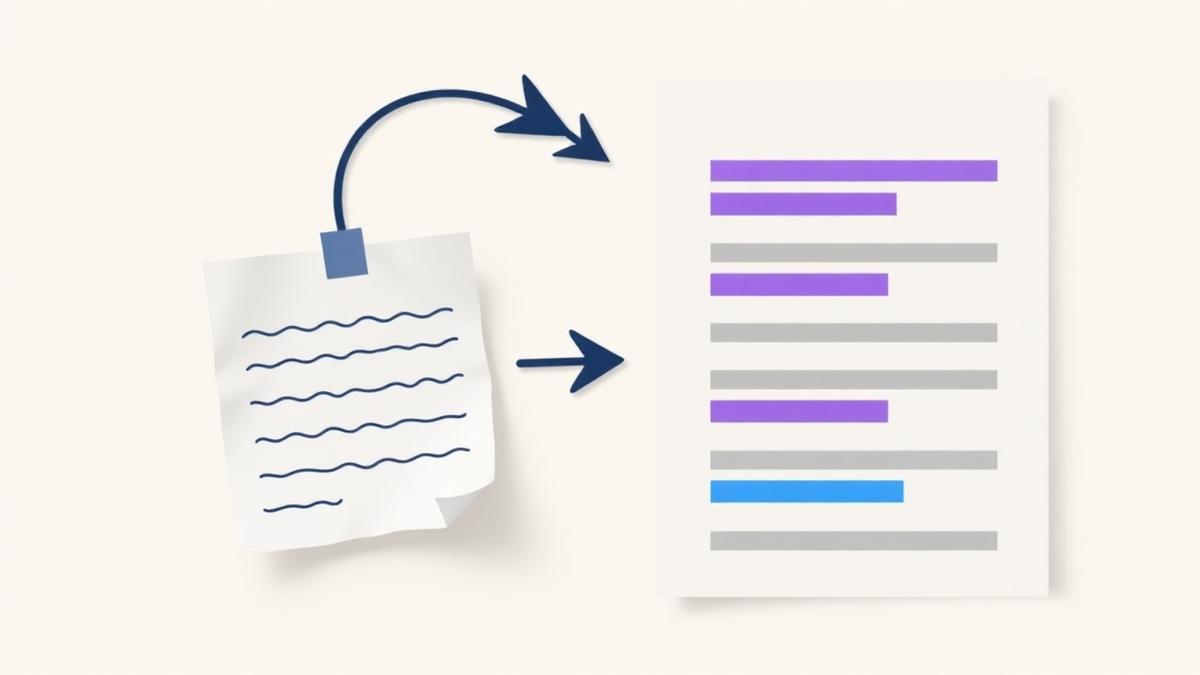
Creating professional visuals requires more than just describing the subject. You need to specify the camera angle, the depth of field, the specific lighting style, and the aesthetic texture. This level of detail can be confusing if you are not a professional designer. Using structured guidance to answer simple questions about your desired outcome can help bridge this gap, translating your business needs into precise, high-performing instructions that yield bespoke results.
In summary
Relying on basic, unguided inputs often results in generic, easily spotted graphics that fail to represent your business properly. Elevating your digital presence requires a structured approach to your creative inputs, ensuring your brand stands out for the right reasons.
If you found these tips helpful, please share this post with other business owners looking to improve their branding. To start creating unique, professional designs without the guesswork, visit DigiAIGo at www.digiaigo.com to access our free trial and use our guided generators to create perfect prompts and avoid these common errors.
Found this useful?
Send it to someone who would like it too.